Navigating the UDISE Plus 2024-25 Portal: Essential Updates for Schools, Students, and Teachers
Managing a modern educational institution involves tracking massive amounts of data. The nationwide database system stands out as the ultimate foundation for managing school profiles across the country. In this comprehensive blog post guide, we will break down exactly how school administrators can navigate the udise plus 2024-25 system, ensure seamless record keeping, and adapt to the structural changes rolling out for the upcoming academic cycles.
Whether you are trying to finalize data entry deadlines or resolve sync errors within the student profile system, understanding the core structure of this platform saves hours of administrative frustration. Let us dive deep into the specific steps, practical field strategies, and operational components that make this tool work for your school ecosystem.
What is the UDISE Plus 2024-25 Database Framework?
The udise plus 2024-25 ecosystem operates as a massive data engine. It collects, verifies, and analyzes real-time facts from millions of schools nationwide. For school heads and data operators, this is not just an ordinary data entry chore. It forms the core backbone for major education policy choices, resource sharing, and school welfare planning. The updated system ensures that every student, teacher, and school infrastructure item is logged accurately using a standardized digital framework.
When you look closely at the udise plus architecture, you realize it tracks everything from physical infrastructure to individual student academic pathways. By migrating to a completely digital, real-time sync format, the platform removes old data processing delays. It gives state boards and national education systems an authentic look at school operations, student enrollment gaps, and teacher postings.
Exploring the Core Architecture of UDISE Plus
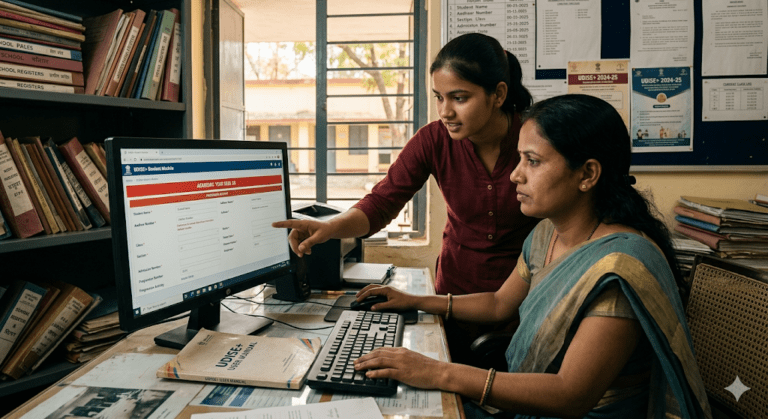
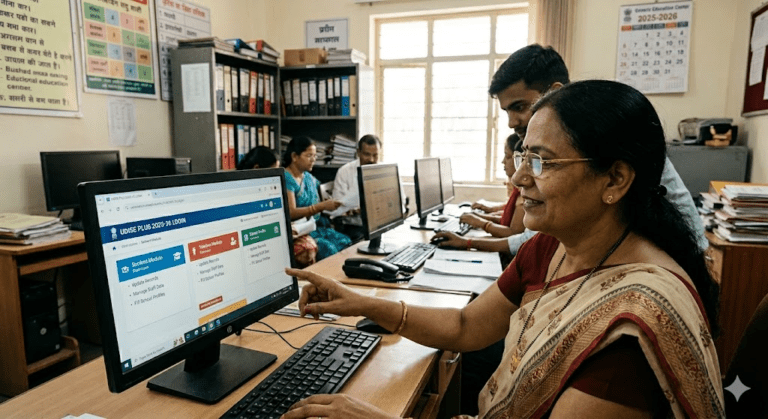
Understanding how different modules connect within the main dashboard helps optimize data management. The portal divides its work into clear, isolated sections so that school operators can handle information without clutter. The initial portal dashboard allows data entry teams to log into dedicated spaces depending on whether they are updating infrastructure records, teacher service files, or student identities.
Using the portal correctly helps maintain high data accuracy scores. The system processes records through a multi-level approval pipeline, running from local block offices up to national verification desks. This thorough verification process keeps the database highly trusted, transparent, and accurate.
Key Administrative Data Requirements
| Category Field | Primary Data Collected | Verification Level |
| School Infrastructure Data | Classrooms, Drinking Water, Electricity, Labs, Library Assets | Block MIS Coordinator |
| Active Student Enrolment Data | Age, Gender, Caste, Admission Progress, PEN Status | School Headmaster |
| Staff and Teacher Records | National Teacher Code, Qualifications, Training Files | District Education Officer |
| Scheme and Facility Records | Mid-Day Meals, Textbook Kits, Uniform Distribution | Cluster Resource Person |
Navigating the Udise Plus Student Module
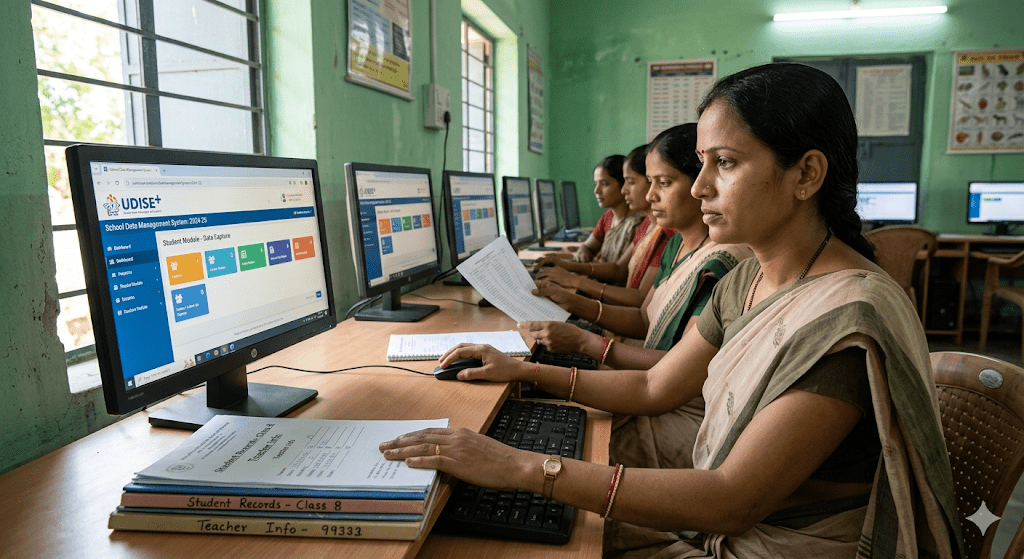
Managing individual learner information is a top priority for administrators. The udise plus student module allows school authorities to log detailed profiles for every enrolled child. Within this specific space, you deal with three main categories: the General Profile (GP), the Enrollment Profile (EP), and the Scheme & Facilities profile (SF).
When updating the udise plus student module, precision is vital. Every profile must map out correctly to avoid system warnings during final validation. This structure ensures that student welfare benefits, like textbooks or direct scholarships, link seamlessly to verified, real-world individuals.
Deep Dive into the Udise Plus Student Module 2024-25
During the udise plus 2024-25 cycle, processing updates requires extreme care regarding individual profiles. The portal relies heavily on the Permanent Education Number (PEN) system to track student progression. The PEN stays with a student even if they move to a different school or transfer across district lines.
Using the udise plus student module 2024-25 interface allows school operators to manage promotions, retain list records, and mark student dropouts. Managing these transitions in a timely manner keeps your school dashboard compliant with active educational guidelines, which directly impacts annual budget allocations.
Preparing for the Udise Plus Student Module 2025-26 Cycle
Looking forward, the upcoming udise plus student module 2025-26 rollout is set to include automated validation tools. Administrators must ensure that current student profiles are fully finalized before transitioning into the next session. Any errors left unresolved in the current cycle will carry over, causing system blocks during future data synchronization.
Getting a head start on the udise plus student module 2025-26 requirements involves auditing your school drop-box records. Make sure that students who transferred away are properly released digitally. This allows their new institutions to import them cleanly without triggering duplicate enrollment flags.
Operational Guide for the Udise Plus Teacher Module
The udise plus teacher module is an essential hub for tracking teaching staff details. Every educator is assigned a unique National Teacher Code to track their career progress across schools. School heads use this space to log qualifications, training records, transfers, and new staff appointments.
Keeping the udise plus teacher module current is mandatory for maintaining proper student-to-teacher ratios. If a teacher transfers out or leaves the school, they must be moved to the teacher drop-box. This step frees up their profile so their next school can easily import them into their active staff registry.
Setting Up Your Udise Plus School Profile 2025-26
The physical condition of an institution is monitored through the udise plus school profile 2025-26 portal settings. This dashboard captures details about your building conditions, playground sizes, smart classroom setups, and laboratory equipment. Providing accurate information here ensures your institution receives proper infrastructural support.
When filling out data for the udise plus school profile 2025-26, make sure to cross-verify resource tallies with physical stock registers. Minor entry mistakes can lead to major errors in regional reporting, which might delay important resource shipments or building maintenance grants.
Handling the Regional Transition for Udise Plus UP Portal Updates
For institutions operating under regional offices, like the udise plus up administrative track, unique regional state rules often apply. Local MIS coordinators provide specific instructions for uploading localized regional documents. Managing these regional requirements alongside national updates keeps your school data perfectly aligned.
Operating on the udise plus up interface requires close attention to regional submission windows. Regional portals often set early deadlines to ensure smooth data processing before the national database locks for the season.
Troubleshooting Common Dashboard Errors and Drop-Box Sync Issues
A common hurdle for data operators is dealing with sync errors in the student drop-box. This happens when an external school fails to officially release a transferring student on the portal. Because the student’s PEN remains linked to their old school, your dashboard will show a conflict if you try to add them.
To fix this issue, contact the previous school’s management to request an immediate release update. If that option fails, gather the student’s physical transfer certificate and request an override from your local block MIS coordinator. Taking these active steps keeps your portal queue clean and error-free.
Managing Data Deadlines and Lock Protocols
A vital step in data management is completing the final submission lock protocol. Once all student profiles, teacher forms, and infrastructure details are uploaded, you must trigger the validation check. The system reviews the entire data capture format for empty fields or mismatch errors before letting you lock the database.
Crucial Warning: Once you click the final data lock button, all editing permissions are frozen. Any subsequent corrections will require official written approval and manual unlocking by the District Education Officer.
Summary Step-by-Step Portal Submission Workflow
1.Portal Access and Verification:Prerequisite Phase.
Visit the official national portal dashboard. Use your 11-digit school code as your main username alongside your security password to log in cleanly.
2.Execute Student Progression Module:Step 2.
Open the student tracking dashboard. Review and update the promotion status, percentage marks, and attendance details for all students from the previous academic year.
3.Update Teacher Management Profile:Step 3.
Navigate directly to the teacher service section. Add new staff arrivals using their National Teacher Code and move departed teachers into the portal drop-box.
4.Fill Infrastructure Data:Step 4.
Complete all sections of the physical school facilities form. Update inventory records for computer labs, libraries, smart classrooms, and sanitation facilities.
5.Run Validation and Final Lock:Final Phase.
Click the data validation button to scan for missing values. Once the system gives a clear status report, download your review file and safely lock your dashboard for the year.
Frequently Asked Questions
What is the Permanent Education Number (PEN) used for?
The Permanent Education Number is a unique national identification number given to every student on the portal. It allows educational authorities to track a student’s academic journey, transfer status, and enrollment history across different schools nationwide.
How do I handle a student showing up as a duplicate entry error?
Duplicate errors happen if a student is active in two different school databases at once. To resolve this, search for the student’s PEN within the dashboard tool and check where they are currently linked. The old school must mark them as transferred or dropped out before you can add them to your active registry.
Can a school change its locked profile data without higher approval?
No, once the final submission button is clicked and locked, the school loses editing access. If you discover a mistake after locking, you must submit a formal correction request to your local Block MIS Coordinator or District Education Officer to unlock the module.
Where can I find the login password for my school module?
Your initial login credentials and passwords are created and shared by your regional Block MIS Coordinator. If you lose or forget your password, use the “Forgot Password” tool on the official login page or contact your block office for a secure password reset.
What happens if a teacher does not have a National Teacher Code?
If a teacher is new to the profession, the school head must use the “Add New Teacher” feature in the staff section. Fill in their basic personal details, joining dates, and qualifications to generate a brand-new National Teacher Code.
Why is the school infrastructure section showing error flags during validation?
This usually happens if certain mandatory fields, like the number of functional toilets or drinking water sources, are left blank. Double-check every tab in the facility section to ensure all mandatory questions have a recorded response before validating.
Conclusion
Mastering the udise plus 2024-25 system is essential for smooth school administration. Keeping your student profiles, teacher files, and infrastructure details updated helps secure proper funding and resource support for your institution. Take a proactive approach by clearing out your drop-box errors early and completing your data entry well before the final closing deadlines.
Have you run into any unique dashboard glitches or sync issues while working on your modules this year? Leave a comment below to share your troubleshooting tips, or ask a question to get help from fellow school administrators!