How UDISE+ Metrics are Shaping the Future of Personalized Learning
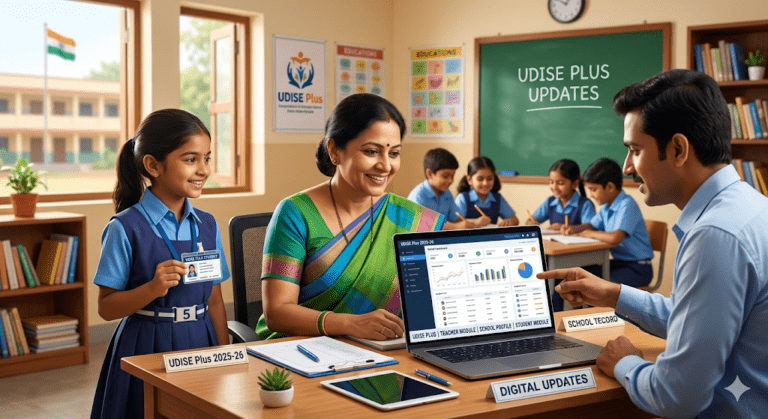
The global education landscape is undergoing a massive shift. For decades, the “one-size-fits-all” model defined how students learned, how teachers taught, and how governments funded schools. However, the arrival of big data in education has flipped the script. At the center of this transformation in India is the Unified District Information System for Education Plus (UDISE+). While it might look like a massive database of school statistics, it is actually the blueprint for the future of personalized learning.
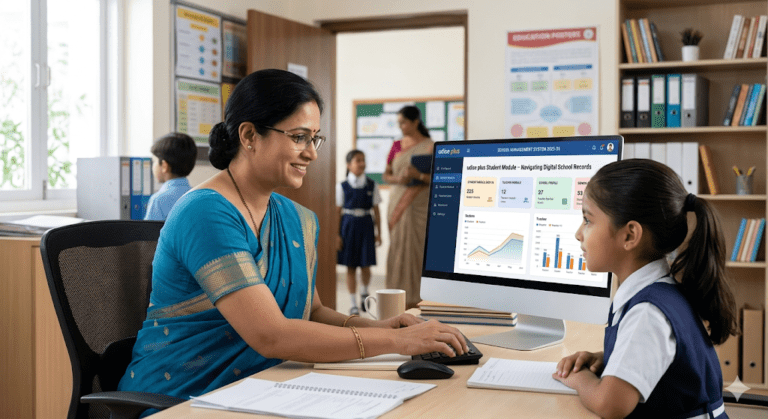
By capturing real-time data from millions of schools, UDISE+ provides a granular view of the educational ecosystem. This data doesn’t just sit in a ledger; it informs educators about where students are struggling and where resources are lacking. As we move deeper into a digital-first era, these metrics are becoming the foundation for tailored educational experiences that meet every student’s unique needs.
The Power of Real-Time Educational Insights
In the past, school data was often outdated by the time it reached policymakers. UDISE+ changed that by moving to an online, real-time system. This immediacy allows for a level of precision that was previously impossible. When we talk about personalized learning, we are talking about moving away from broad assumptions and moving toward data-backed decisions.
Metrics such as student-teacher ratios, infrastructure availability, and enrollment trends provide a clear picture of the learning environment. For instance, if data shows a high dropout rate in a specific district, authorities can investigate whether it is due to a lack of facilities or a curriculum that isn’t engaging students. This level of insight ensures that no student is left behind simply because their specific challenges were invisible to the system.
Personalization Through Resource Allocation
Personalized learning isn’t just about software; it’s about the environment. UDISE+ metrics track the availability of digital hardware, libraries, and electricity. When a school lacks the tools for modern learning, the students in that school are at a disadvantage. By identifying these gaps, the system helps redirect funds to where they are most needed.
For a student to excel, they need a support system that understands their workload. In many cases, students find themselves overwhelmed by complex technical subjects. This is where external expertise comes in. When the classroom environment is still catching up to modern standards, a professional assignment writer can help bridge the gap by providing high-quality research and structured guidance. This allows students to focus on understanding core concepts rather than just struggling with the logistics of their coursework.
Identifying Learning Gaps with Precision
One of the most significant impacts of UDISE+ is the ability to track learning outcomes across different demographics. By analyzing performance metrics, educators can identify which groups of students are not meeting proficiency standards. This is the first step toward true personalization. Once a gap is identified, educators can develop targeted interventions.
For example, if the data indicates that students are performing well in humanities but falling behind in technical or logic-based subjects, the curriculum can be adjusted. In the digital age, technical literacy is non-negotiable. Many students find that they need extra help with practical implementation, especially in technology-oriented fields. It is common for a student to realize they need someone to do my coding assignment because the classroom pace moved too quickly for them to grasp the syntax and logic required for success. By using data to identify these “danger zones,” schools can provide more tailored support before a student falls too far behind.
The Role of Infrastructure in Tailored Education
You cannot have personalized learning without the right infrastructure. UDISE+ tracks everything from the number of functional computers to the availability of internet access. These metrics are crucial because they dictate the “digital readiness” of a school. A student in a school with a 1:1 computer-to-student ratio has a vastly different experience than one in a school with only one computer lab for 500 children.
Personalized learning often happens through Adaptive Learning Platforms (ALPs). These platforms use AI to adjust the difficulty of lessons based on a student’s performance. However, these platforms require hardware and connectivity. By highlighting which schools are “dark” in terms of digital access, UDISE+ pushes for the infrastructure upgrades necessary to make individualized digital education a reality for everyone.
Teacher Empowerment and Data-Driven Instruction
Teachers are the heart of the personalized learning movement. However, a teacher with 60 students in a class cannot easily identify the specific needs of every child without help. UDISE+ metrics provide teachers with a roadmap. By understanding the broader trends in their district or school, they can better anticipate the needs of their incoming classes.
When teachers are empowered by data, they can move away from lecturing and toward mentoring. They can group students based on skill levels or interests, creating a more dynamic classroom. This shift is essential in an era where information is everywhere, but the ability to apply that information is what truly matters.
Future Outlook: A Holistic View of the Student
The future of UDISE+ lies in its integration with other social and educational datasets. Imagine a world where a student’s health data, socioeconomic background, and school performance metrics are used together to create a 360-degree support plan. This is the ultimate goal of personalized learning: an education system that adapts to the human, not the other way around.
As the system becomes more sophisticated, we will see a decrease in “educational friction.” Students will be matched with the right resources at the right time. Whether that means a specialized tutoring session or a digital module that explains a concept in a way that resonates with their specific learning style, the possibilities are endless.
Conclusion
UDISE+ is much more than a collection of numbers. It is a powerful tool that is dismantling the barriers to effective education. By providing the metrics needed to understand the “where, who, and how” of schooling, it is paving the way for a future where personalized learning is the standard, not a luxury. As we continue to refine how we collect and use this data, the focus will remain on the individual student, ensuring they have every opportunity to succeed in an increasingly complex world.