Complete Guide to Managing the UDISE Plus 2026 Portal and Modules Successfully
Hey there, fellow school administrators and education enthusiasts! Navigating management software can sometimes feel like trying to solve a giant puzzle. If you are responsible for updating institutional databases this year, you are in the exact right place. This casual guide breaks down everything you need to know about the udise plus 2025-26 platform cycles. Let us dive into making this digital transition as smooth and stress-free as possible.
1. Getting Started with the Fresh Digital Update
The education landscape moves fast, and keeping track of millions of records requires a robust tool. The udise plus 2025-26 system acts as the central backbone for educational record-keeping, ensuring that no institutional detail is left behind. Entering this year’s portal requires a clear understanding of your current dashboard layout. This year focuses heavily on real-time data accuracy, meaning early submissions save plenty of administrative headaches later on.
When you first open the dashboard, you will notice a cleaner interface compared to the older versions. The primary goal is simple: log in, cross-verify your pre-filled records, and submit changes before deadlines creep up. Taking a few proactive steps now prevents stressful, last-minute rushes when server traffic spikes. Let us walk through the exact segments you need to manage.
2. A Quick Overview of Your Administrative Dashboard
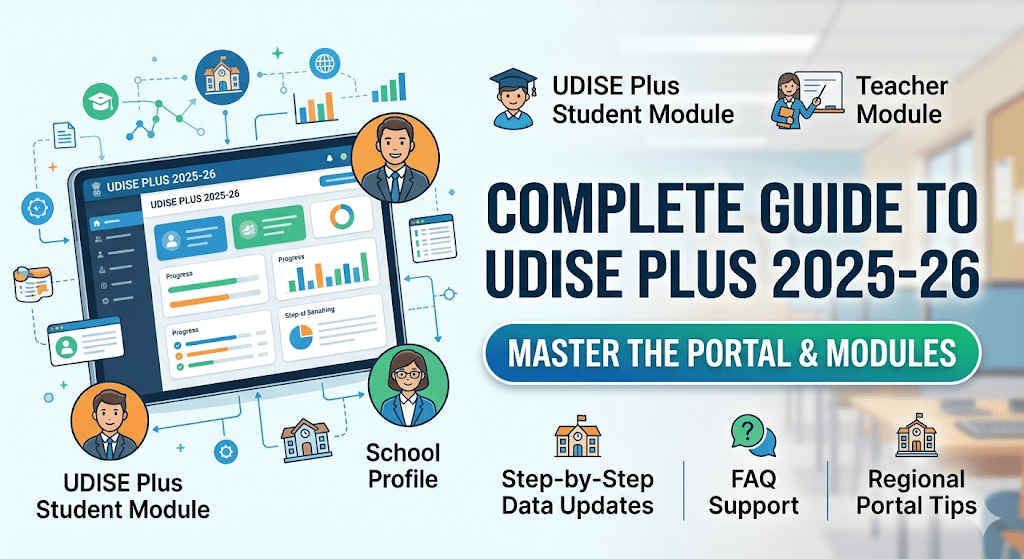
Understanding the primary building blocks of the platform is the secret to moving quickly. The udise plus platform divides your workload into specific dashboard areas, preventing you from feeling overwhelmed by endless forms. Each section handles a distinct corner of your school environment, from structural assets to personnel logs.
By isolating these sections, the portal allows multiple staff members to work on separate data sets simultaneously. Before clicking around randomly, gather your official school registers, staff certificates, and current enrollment files. Having paperwork ready beforehand turns a tedious data entry chore into a quick afternoon task.
3. Navigating the Core Architecture of Your School Data
Before we jump into individual files, let us look at the fundamental blueprint of the database. The platform uses specific structural codes to organize information cleanly. If you understand this basic framework, you can troubleshoot portal errors without waiting for a technical support team.
Primary Platform Details
| Database Component | Primary Focus | Key Requirement | Expected Outcome |
| School Base Profile | Infrastructure details | Physical room counts | Accurate resource allocation |
| Teacher Module | Faculty details | Active national ID verification | National teacher registry mapping |
| Student Module | Pupil progression | Past academic marks | Permanent Education Number generation |
4. Unlocking the Student Tracking Module for the Current Term
Tracking student progress across academic terms is a huge priority for modern educational planning. The udise plus student module 2025-26 is designed specifically to help you manage individual enrollment records easily. Within this workspace, you can view your active student rosters, add new admissions, and finalize demographic details.
Managing the udise plus student module successfully means keeping close track of the Permanent Education Number (PEN) assigned to each child. This unique identifier tracks a child’s academic journey even if they transfer to another state. If you are managing transfers this term, make sure to use the import and export features correctly within the dashboard.
5. Transitioning Records from the Previous Academic Cycle
A common mistake is forgetting how past data impacts your current workspace setup. If you need to review older student files, you can still access the udise plus student module 2024-25 database archive. Comparing historical files with current rosters ensures no student drops off the grid during transition periods.
Reviewing entries from the udise plus 2024-25 system helps you identify which student profiles require immediate updates or formal graduation flags. If a child left your institution during the previous term, you must mark their exit status clearly. Taking care of these loose ends ensures your current session dashboard remains entirely accurate and clean.
6. How to Use the Historical Progression Panel Easily
The transition between academic years requires shifting entire classes upward simultaneously. When working inside the udise plus student module 2024-25 portal section, you will utilize the progression panel. This feature allows you to promote batches of students to their next respective grade levels with just a few clicks.
Make sure you have final exam scores and attendance percentages handy before starting the batch progression utility. If a student transferred to a different institution during the summer, you must update their status to “Left school with TC” instead of simply promoting them. Keeping this clean prevents duplicate records across different regional dashboards.
7. Step-by-Step Guide to Updating Student Records
Updating individual pupil profiles can feel tedious, but following a structured order makes it incredibly straightforward. Here is the safest way to finalize your pupil directory without running into system save errors.
1.Access the Progression Panel:Prerequisite Step.
Log in to the student workspace and open the progression activity tab to see last year’s remaining rosters.
2.Update Academic Status:Takes 2-3 minutes per class.
Mark each student as promoted, repeated, or discontinued, then input their final marks and total school attendance days.
3.Verify National Identity Numbers:Critical for data validation.
Cross-check student names against original identity documents to clear out any system warning flags.
4.Generate Final Submission Reports:Final Step.
Click the final data summary button to lock your class lists and view the updated permanent student counts.
8. Managing Faculty Information and Staff Profiles
Your teachers are the heart of your school, and the system tracks them closely too. The udise plus teacher module is your dedicated space for recording active faculty numbers, training milestones, and specific teaching assignments. Every instructor must have an updated, verified profile to maintain your school’s compliance status.
When updating the udise plus teacher module, pay close attention to any changes in staff positions, such as new hires or recent retirements. The system cross-references teacher identity data with national databases to ensure accuracy. Keeping this area updated helps regional planners understand student-to-teacher ratios across your area.
9. Completing Your Physical School Infrastructure Form
A school is more than just people; it is a physical space that requires resources. The udise plus school profile 2025-26 section focuses entirely on your physical campus setup, classroom counts, and available facilities. This includes detailing everything from computer labs and library books to functional drinking water taps.
Filing the udise plus school profile 2025-26 correctly gives regional planners an honest view of what your campus needs. For example, if you added new smart classrooms over the summer, make sure to reflect that addition in the infrastructure forms. Accurate reporting here directly impacts your eligibility for future infrastructure grants.
10. Regional Tips for Regional Portal Dashboards
Depending on where your school operates, you might use specialized regional entry portals. For example, users managing systems in northern regions often look for the udise plus upudise student module login path to handle regional data variations. These localized entry points help direct regional data straight to local state modules without delay.
No matter which regional link you use, the overall goal remains the same: complete your profiles completely and avoid leaving blank fields. If your local department provides specific regional spreadsheet formats, make sure to read their upload notes carefully. Using the correct regional channel prevents formatting conflicts on the main server.
11. Avoiding Common Administrative Data Entry Mistakes
Let us look at a few quick tips to help you avoid common mistakes during data entry season. Most portal errors happen due to simple typos or rushing through forms without saving.
- Avoid Using the Back Button: Always use the on-screen portal navigation buttons instead of your browser’s back button to avoid losing progress.
- Double-Check Identity Numbers: Typing mistakes in national ID fields will trigger instant system errors and lock the form.
- Save Work Frequently: Portals automatically time out after periods of inactivity, so click “Save as Draft” on every page.
- Keep Text Fields Clean: Do not use special characters or symbols in text boxes unless the form explicitly allows them.
Summary of the Process
Managing the udise plus 2025-26 database takes time, but breaking it down into simple steps keeps it manageable. Focus on completing one module at a time—start with your infrastructure profile, move to your staff listings, and finish up with student progression lists. Staying organized keeps your data accurate and stress-free.
Frequently Asked Questions
What happens if I make a typo in a student’s permanent record?
If you notice a typo after saving a profile, you can easily open the editing pane within the active student module to correct it. However, if you have already submitted the final certification form, you will need to contact your local district management officer to unlock the record for editing.
Can two administrators work on different portal modules at the same time?
Yes, the system supports simultaneous logins. One staff member can manage the teacher roster while another updates the student progression logs without causing any system issues.
Why is the system rejecting a teacher’s national identification card number?
The portal cross-checks teacher numbers directly with identity databases. If it fails, check for simple typing errors in the name or birthdate field, as everything must match your official documents exactly.
How do I handle a student who left our school without a formal transfer certificate?
In your student management panel, you can mark their status as “Discontinued” or “Left School Without TC.” This cleans up your active class rosters while keeping their historical records intact.
What should I do if the portal runs slowly during afternoon hours?
High user traffic often slows down the system during the afternoon. To save time, try working during early morning or late evening hours when server traffic is much lighter.
Do I need to re-enter every teacher’s full history every year?
No, your previous staff profiles carry over automatically. You only need to verify their current status, add new training milestones, or input details for newly hired teachers.