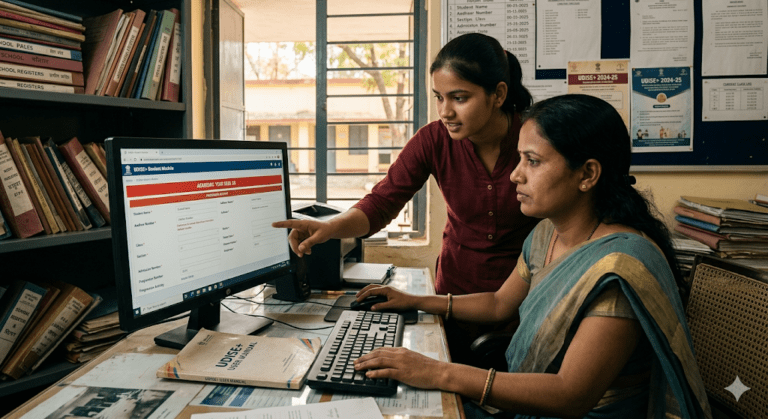
Complete Guide to UDISE Plus Student Module 2025-26: Database Management Made Simple for Schools
Managing a school requires keeping accurate track of every child and staff member. Every academic year, school administrators across the country work hard to update massive amounts of educational data. This is where the unified national school database plays a massive role. If you are a school operator or a data management worker, you know how critical it is to log details correctly. Our blog post will walk you through the essential components of the portal today. We will focus entirely on how to handle the records without getting stuck or overwhelmed by the system layout.
The digital data layout is designed to help schools organize profiles for children easily. By learning the latest tricks, you can finish your school reporting work in a tiny fraction of the usual time. Let us jump right into the actual details of the system features to make your job completely stress-free this term.
Understanding the Core Setup of UDISE Plus
The main platform known as udise plus serves as India’s massive repository for educational information. It gathers fresh facts on schools, infrastructures, and student counts from every corner of the country. This digital platform helps authorities design perfect policies based on actual data. For daily school operations, this means every child needs a digital profile that reflects their true progress. It removes messy paperwork and gives clear visibility to the management teams.
Over the past few cycles, the system has received major upgrades to boost user speed. If you handled the portal during udise plus 2024-25, you will find the interface familiar but faster. The backend servers now process deep records with fewer validation errors. This means less waiting around for pages to load. As an administrator, setting aside a quiet hour to complete these records ensures your school stays compliant with minimal effort.
What is the New Udise Plus Student Module 2025-26?
The specific section called the udise plus student module 2025-26 is where the actual student tracking happens. Every single child gets an individual profile tracking their admissions, attendance traits, and marks. The system keeps these points safe so that children can move between schools smoothly without losing history. It provides a clean, web-based dashboard where operators type in standard details without complicated coding.
When you log into the udise plus student module 2025-26, you are managing active records for the current academic session. The module tracks general traits, enrollment details, and the facility benefits provided to kids. Entering this information on time prevents blocks on your school profile down the road. It ensures that public educational dashboards show your true, real-time enrollment numbers without scary lag times.
A Quick Peek at the Essential Dashboard Components
Every user should know that the main system split consists of three distinct parts. While our main task revolves around the udise plus student module, you also have sections for instructors and building data. Knowing how these sections interact helps you avoid data mismatch issues. For instance, your total class sections in the profile must match your student list.
The three-part database layout ensures everything remains deeply organized:
- Student Database Management System (SDMS): This is the core engine managing individual student progress, grades, and tracking IDs.
- Teacher Profile Area: A dedicated tracking panel to register active teaching staff and their specialized training profiles.
- Infrastructure Section: The physical tracking area where you log classrooms, toilet blocks, and computer lab equipment.
How the Unified Student Module Works Globally
The updated udise plus student module allows quick adjustments to student profiles using a unique tracking number. Each student gets a Permanent Education Number (PEN) that stays with them throughout their schooling years. This number makes importing or dropping students from your roster incredibly fast. You do not need to fill out heavy forms from scratch when a new child joins from another school.
Operating within the udise plus student framework requires careful cross-checking of basic identity cards. For example, matching the student’s name exactly with their Aadhaar card prevents verification failures. The system automatically cross-checks these details with central databases to avoid duplicate or fake admissions. Taking a moment to verify documents beforehand saves hours of editing later.
Important Lessons from the Udise Plus 2024-25 Session
Reviewing the previous data cycle provides great clues for completing current tasks smoothly. During the udise plus 2024-25 phase, many schools faced sudden delays because they left data entry for the final week. Last-minute server rushes can cause long page loads and sudden system time-outs. Learning from those past delays helps us build a much better data entry plan this year.
Furthermore, a common issue in udise plus student module 2024-25 was incomplete student profiles. Many records were left saved as drafts instead of being fully submitted. A draft record does not count toward your final completion certificate. Checking the final status column for a green “Completed” badge is the best way to confirm your hard work is locked in.
Tracking Regional Specifics Like Udise Plus UP Udise Student Module
Certain states run highly specific data integration steps within the portal network. For example, users managing the udise plus upudise student module have unique regional portals linked to state reward schemes. These linked tracks make sure that local scholarship funds reach children without hitting administrative blocks. Operators in these areas must follow specific local guidelines alongside national rules.
When dealing with state-specific tracks like the udise plus upudise student module, payment tracking and local id links are common. Make sure your local school registration numbers match the national system perfectly. A single digit error can pause data syncs between state and central systems for weeks. Keeping a handy sheet of all official school codes keeps things moving beautifully.
Key Differences in the Udise Plus Teacher Module Explained
While managing kids is vital, don’t forget to maintain the udise plus teacher module concurrently. This specific module tracks the hiring dates, academic levels, and training history of your faculty. The system links teacher counts with classroom sizes to ensure schools maintain healthy learning ratios. Keeping this updated is a key requirement for your annual school validation.
The system requires you to update the udise plus teacher module whenever a staff member joins or exits. You will need their official identity numbers, joining dates, and specific teaching subjects ready. Keeping staff data accurate reflects the true teaching quality and strength of your school. It also helps authorities allocate relevant teacher training programs to your area.
Keeping Your Udise Plus School Profile 2025-26 Accurate
Before you can add new students, you must verify your udise plus school profile 2025-26. This module covers physical assets like total classrooms, drinking water taps, boundary walls, and computing devices. If your school added new rooms or upgraded its internet connections over the summer, this is the place to report it. Having an updated profile creates a solid foundation for your student data.
Completing the udise plus school profile 2025-26 carefully affects your school’s official standing. Government education boards use these specific metrics to check if schools meet safety and building standards. Be sure to count your physical resources accurately before hitting the final save button. An accurate profile ensures your institution gets recognized for its excellent facilities.
Detailed Institutional Profile Overview
Below is a detailed reference guide showing how a typical mid-sized educational academy tracks its core metrics across the different modules this session.
| Administrative Metric | Active Data Count | Target Completion Status | Primary Module Link |
| Total Enrolled Students | 450 Active Pupils | Fully Completed | Student Module |
| Verified Teaching Staff | 18 Instructors | Updated & Verified | Teacher Module |
| Functional Classrooms | 15 Rooms | Profile Approved | School Profile |
| Computer Lab Units | 20 Systems | Asset Recorded | School Profile |
| Aadhaar Sync Rate | 98% Verified | High Priority | Student Module |
| PEN Generation Progress | 450 Generated | Locked & Saved | Student Module |
Step-by-Step Guide to Accessing the Portal Safely
Navigating the entry system is easy once you understand the basic dashboard buttons. Follow these straightforward steps to access your account without hitting login errors:
- Open the Official Site: Launch your web browser and head directly to the primary online portal interface.
- Select Your State: Click on the module drop-down menu and pick your specific home territory from the list.
- Enter Credentials: Fill in your unique school registration code, secret password, and the safety visual captcha characters.
- Choose the Session: Click on the active current year button to enter the fresh database workspace.
- Review the Welcome Panel: Look over the main screen alerts to check for any urgent data deadlines or announcements.
Smart Hacks to Complete Your Data Entry Faster
The best way to handle large volumes of student records is to organize your documents beforehand. Gather all birth certificates, previous school marks, and card numbers into physical class folders. Having these papers sorted by grade level means you won’t have to pause data entry to find missing details. It turns a complicated tracking chore into a smooth, rhythmic task.
Another fantastic hack is to work section by section rather than jumping around randomly. Finish the general student details first, then move on to facilities, and wrap up with academic marks. Processing data in clean waves keeps your mind focused and reduces typing mistakes. Remember to save your progress at the bottom of every page to protect your hard work from sudden power cuts.
Conclusion: Setting Your School Up for Success
Keeping your school records updated via the udise plus student module 2025-26 dashboard is a powerful way to support your students. Accurate data ensures your school receives proper resources, text materials, and sports gear allocations. It turns administrative tracking into a meaningful tool that helps your entire educational community grow.
Don’t let the large number of fields stress you out this year. Take things one classroom at a time, check your work for green completion badges, and complete sections early. If you found these tips helpful, share this post with your fellow school coordinators. Leave a comment below if you have any questions about the current dashboard features.
Frequently Asked Questions
What is a Permanent Education Number (PEN)?
The Permanent Education Number is a unique national tracking code given to every child on the platform. This code stays with the child throughout their school journey, making school transfers incredibly simple.
How do I resolve Aadhaar validation failures?
Double-check that the student’s name, gender, and date of birth match their physical identity card exactly. Small spelling errors or misplaced spaces are the most common causes of system validation blocks.
Can I edit student records after final submission?
Yes, minor corrections can be made through the school dashboard panel. However, major changes to locked fields might require an official request to your local block education officer.
What happens if I miss the data entry deadline?
Missing the data entry deadline can result in your school’s enrollment numbers showing as zero on public dashboards. This can delay your school’s official certification and resource allocations.
Where do I find my school’s login password?
Your secret password is provided by your district education office during initial setup. If you lose it, use the ‘Forgot Password’ link on the login screen to receive a reset code via your registered mobile number.
Is it necessary to complete the teacher module too?
Yes, updating the teacher module is completely mandatory alongside student tracking. The system uses these combined metrics to verify that your school has proper instructor ratios for its classes.