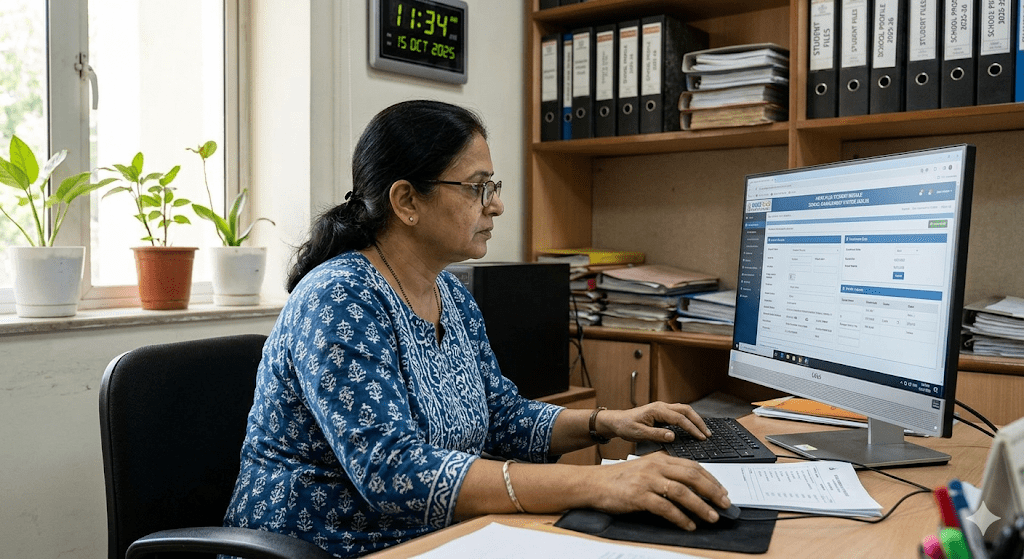
Understanding the UDISE Plus Student Module: A Complete Guide for Modern Schools
Every year, schools across the country face the huge task of organizing student records. Keeping track of admissions, grades, and transfers can feel like a never-ending puzzle. Thankfully, the digital age brings smart solutions to our classrooms. The udise plus student module is one of the best tools created to solve this exact problem. It acts as a massive digital filing cabinet that stores important school information safely online. By moving away from messy paperwork, this platform helps principals and teachers manage their daily tasks with just a few clicks. It brings clarity to school administration and ensures that no child’s educational journey is lost in the shuffle.
Understanding this system is incredibly important for modern educators and school administrators. When you know how to navigate the portal, you save hours of stressful data entry work. This blog post will walk you through everything you need to know about the portal in simple terms. We will explore how it connects students, teachers, and school profiles together for better learning environments. Let us dive in and see how this digital platform is changing the way we look at school management.
What is UDISE Plus and Why Does It Matter?
The term udise plus stands for Unified District Information System for Education Plus. It is a powerful online portal designed to collect crucial data from schools all over the country. Before this system arrived, gathering statistics on school infrastructure, student numbers, and teacher counts took months of manual labor. Now, the online platform brings all this data into one central hub. It helps education planners make smart decisions about funding, mid-day meals, and new school buildings.
For everyday school management, this portal is an absolute lifesaver. It creates a transparent system where every school has a voice and a clear digital record. Having all this information in one place makes it easier to spot which areas need more help or resources. It bridges the gap between small village schools and big city academies by giving everyone the same digital platform.
Exploring the New Features of UDISE Plus 2025-26
The latest update for the academic year comes in the form of udise plus 2025-26. This new version brings faster loading times, better security, and a much cleaner look for users. The developers listened to feedback from teachers and made the buttons easier to find. Now, uploading large lists of student files takes much less time than it did in previous years.
Another great feature of the udise plus 2025-26 update is its improved mobile compatibility. Many school clerks do not have access to high-speed desktop computers all day long. This update allows users to log in securely from a tablet or a smartphone to make quick data changes. It makes the entire data collection process highly flexible and user-friendly for everyone involved.
Diving Deep into the UDISE Plus Student Module 2025-26
The core focus for school clerks right now is the udise plus student module 2025-26. This specific section of the portal handles everything related to the children enrolled in your classrooms. From the moment a child gets admission to the day they pass out, their journey is tracked here. You can update their personal details, track their attendance trends, and record their final exam marks.
Using the udise plus student module 2025-26 ensures that each student receives a unique national identity number. This number stays with the child even if they move to a different city or state. It prevents duplicate entries and helps the education system keep an accurate count of active students nationwide. Managing this module properly ensures your school stays compliant with the latest educational standards.
How to Access the UDISE Plus Student Module
Getting inside the udise plus student module requires a specific set of official login credentials. Every registered school receives a unique user ID and a secure password from their district authorities. Once you open the main website, you must select your specific state from a dropdown menu. This routes you to the correct regional server for faster data processing.
After entering your details, you will see the main dashboard for the udise plus student module. From here, you can choose to view existing student lists or add new admissions for the term. The interface uses clear labels, making it easy to find the exact section you need without getting confused. It is always a good idea to log out after your session to keep student data safe.
Regional Insights: The UDISE Plus UP Student Module
Different regions sometimes have specific pathways, such as the udise plus up portal. This localized system helps manage the massive number of schools in larger states smoothly. It connects regional databases directly to the central system without causing server crashes during peak traffic hours. Teachers in these areas use the system daily to sync their local school records with national databases.
Navigating the udise plus up system follows a similar pattern to the standard national portal. However, it often includes local language support and specific state-level helpdesks to assist users. If a school clerk faces an error while uploading student profiles, they can quickly contact their local block education officer for fast troubleshooting.
The Importance of the UDISE Plus Teacher Module
While managing student records is vital, we cannot forget about the educators. The udise plus teacher module runs parallel to the student system to track faculty details. Every teacher in a school must have their profile updated in this section. It records their educational degrees, teaching experience, training history, and current job deployment status.
Keeping the udise plus teacher module updated helps authorities understand the student-to-teacher ratio in every district. If a school has too many students and too few teachers, the system highlights this gap clearly. This data drives the recruitment and transfer of teachers to areas where they are needed most, improving overall education quality.
Keeping Track of Classroom Faculty with the Teacher Portal
Working with the udise plus teacher module requires a great deal of accuracy from the school administration. When a new teacher joins your school, their profile must be linked to your school building immediately. Similarly, if a teacher retires or transfers to another branch, their status needs an instant update. This prevents ghost entries and ensures payroll budgets align with actual staff numbers.
The udise plus teacher module also tracks the professional development of the school staff. If your teachers attend workshops on digital learning or child psychology, those certificates go into this portal. It creates a rich digital resume for every teacher, showcasing the overall strength and expertise of your school’s faculty.
Managing Individual UDISE Plus Student Profiles
Every single child registered on the portal is classified as a udise plus student. An individual profile contains three main sections: general details, enrollment details, and vocational facility details. General details include simple items like the child’s legal name, date of birth, gender, and parental contact information. Enrollment details track the specific class, section, and roll number of the child.
Treating every child as a unique udise plus student ensures that no student drops out unnoticed. If a child stops coming to school, their digital profile reflects the absence when data is synced. This allows social workers and school boards to step in and help families bring their children back to the classroom safely.
Looking Back at UDISE Plus 2024-25 Data Trends
To understand where we are going, it helps to look back at udise plus 2024-25. The previous academic year taught us a lot about digital data management in schools. Millions of student records were successfully processed, showing a massive jump in girls’ enrollment across rural sectors. It also highlighted areas where internet connectivity made data entry difficult for remote schools.
Analyzing the udise plus 2024-25 statistics helped developers fix bugs for the current version. For example, old data saving errors were resolved to prevent loss of information during power cuts. Schools can still access their past archives from this period to compare performance metrics and enrollment growth over the last twelve months.
Retrieving Records from the UDISE Plus Student Module 2024-25
Sometimes, a school needs to look up an old record using the udise plus student module 2024-25 archive. This happens when a former student applies for a school leaving certificate or a higher education scholarship. The portal allows administrators to view read-only files from past terms quite easily. You simply select the past academic year from the history dashboard.
Using the historical data inside the udise plus student module 2024-25 ensures absolute continuity in student records. It proves that a child attended your school legally and completed their courses successfully. This historical backup acts as a shield against fraud, protecting both the reputation of the school and the future career of the student.
Updating the UDISE Plus School Profile 2025-26
Before you can even touch student or teacher data, you must complete the udise plus school profile 2025-26. This section defines the physical reality of your educational institution. It asks questions about the number of classrooms you have, drinking water facilities, functional toilets, and computer labs. It also covers playground availability and safety boundary walls.
Filling out the udise plus school profile 2025-26 correctly determines the grading of your school. If your building needs repairs or lacks proper library books, the system flags these issues for government grants. It is the first step in the annual data submission cycle and lays the foundation for all student entries that follow.
School Overview and Administrative Summary Table
To make things easy to grasp, let us look at how these different elements fit together in a standard school environment. This profile table shows how an institution coordinates its digital records across different modules.
| Detail Category | System Target | Primary Purpose | Key Data Fields |
|---|---|---|---|
| System Framework | General Portal | National Data Sync | District Codes, Block Names, Management Type |
| Physical Assets | School Profile | Resource Planning | Classrooms, Internet, Toilets, Playgrounds |
| Faculty Records | Teacher Module | Staff Balancing | Degrees, Training Status, Joining Date |
| Learner Tracking | Student Module | Progress Monitoring | Student ID, Exam Marks, Attendance Rates |
Conclusion: Emphasizing Accurate Data Entry
Managing school data might seem like a lot of work at first glance. However, tools like the udise plus student module turn a mountain of paperwork into an organized, digital system. Accurate data entry ensures that your school receives the right resources, your teachers are recognized, and your students get a verified educational identity.
Take your time when filling out these modules this year. Double-check spellings, verify birth dates, and ensure your school profile is perfectly accurate. By doing so, you are playing a direct role in building a brighter, more efficient future for your entire student community.
Frequently Asked Questions
Q1: What should I do if a student’s name is spelled incorrectly in the portal?
A1: You can correct spelling errors directly through the student profile section before final submission. Log in, search for the student using their unique ID, click on general details, edit the name field to match their legal birth certificate, and hit the save button.
Q2: Can two schools use the same login ID for the teacher module?
A2: No, every school has a completely unique identification code known as a UDISE code. This code ensures that your school dashboard belongs entirely to your institution, keeping your teacher and student data completely separate from neighboring schools.
Q3: How often do we need to update the school profile section?
A3: The school profile section requires a complete update once every academic year. However, if your school builds new classrooms or installs a new computer lab mid-term, you can log in and update those specific fields to keep your resource data fresh.
Q4: Is it possible to transfer a student record to a school in another state?
A4: Yes, the national student tracking feature allows you to issue an online transfer certificate. Once you release the student from your module, the new school can pull the child’s profile into their system using the student’s unique national identity number.
Q5: What happens if we miss the data submission deadline?
A5: Missing the deadline can create major issues for your school, including delays in receiving operational grants or student scholarship approvals. It is always best to upload your data weekly to avoid a stressful rush when the final submission date approaches.
Q6: Can parents log in directly to view their child’s UDISE profile?
A6: No, parents do not have direct login access to this specific administrative database. The portal is designed strictly for school authorities, management clerks, and educational planners to ensure the privacy and security of child data remains protected.