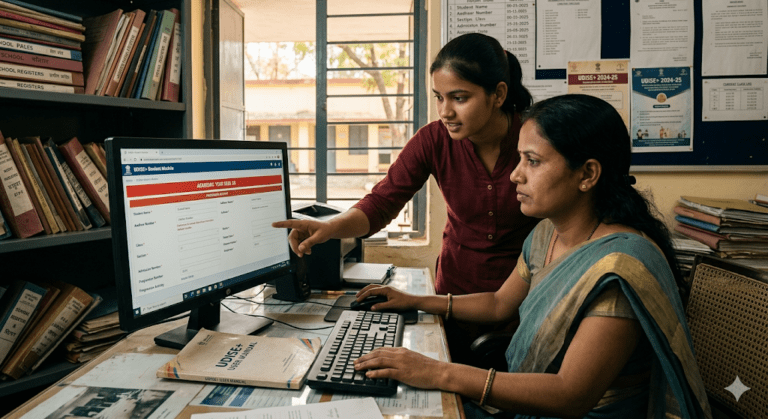
Ultimate Guide to Navigating the Online School Management System and Digital Profiles Successfully
Managing a modern school involves keeping track of a massive amount of data. From tracking daily attendance to updating faculty records, school administrators face a mountain of paperwork every single day. Thankfully, the digital shift has made things much simpler for educational institutions across the country. One of the most powerful tools available today is the national school data portal. This platform helps schools keep all their critical information in one organized, safe digital space.
If you are a school principal, a data operator, or an administrator, keeping up with system updates can feel a bit overwhelming. The online interface changes regularly to support new features, better security, and faster processing. Missing a submission deadline or entering the wrong data can lead to issues with school funding and official registration renewals. This conversational guide breaks down everything you need to know about navigating the portal smoothly this year. Let us look at how you can manage your updates without any stress.
What Exactly is the Unified Data Portal for Schools?
The main portal, known nationwide as udise plus, is a digital database designed to collect and manage all school-level data. The term stands for Unified District Information System for Education Plus. It acts as a massive online filing cabinet for thousands of schools. This tool collects real-time details about school buildings, student counts, and teacher records.
By using udise plus, the education department can see exactly what schools need. For example, if a school lacks proper drinking water or electricity, the platform highlights that gap immediately. It makes planning new budgets and school programs much cleaner and faster. For regular blog readers and school teams, mastering this portal is the secret to keeping your school running perfectly.
Diving Into the Latest Portal Updates for This Session
Staying updated with the udise plus 2025-26 cycle is critical for every active campus. The portal has introduced cleaner layouts and faster uploading options for the current academic session. The data entry window typically opens up in the late summer or early fall months.
When working on the udise plus 2025-26 updates, preparation is your absolute best friend. Waiting until the final weeks of the submission window is a recipe for headache because the online traffic can slow down the servers. Gathering your paperwork ahead of time ensures that your school locks its data successfully without any technical delays.
How to Manage the Current Student Tracking System
The core of your daily data entry will revolve around the udise plus student module 2025-26 portal. This specific area handles everything related to the children sitting in your classrooms. Each boy and girl gets a special Permanent Education Number that stays with them throughout their academic journey.
When you log into the udise plus student module 2025-26 dashboard, you can see your classes broken down section by section. This helps tracking progress, marks, and facilities incredibly simple. It also ensures that moving kids from one grade to the next happens with just a few clicks of a button.
Master the Basics of the Core Student Database
If you are looking at the overall interface, the udise plus student module is split into three easy-to-read sections. These sections are called the General Profile, the Enrollment Profile, and the Facility Profile.
The udise plus student module makes sure you do not miss any vital details. The General Profile tracks names, dates of birth, and identity numbers. The Enrollment Profile keeps tabs on admission dates and class rankings. Lastly, the Facility Profile records who receives uniforms, free textbooks, or mid-day meals.
Regional Deep Dive for Northern School Administrators
For those managing schools in northern regions, handling the udise plus upudise student module is a major part of the annual routine. Different states sometimes run additional verification steps or internal deadlines to keep their regional reports clean.
Using the udise plus upudise student module allows local districts to spot high dropout rates or infrastructure needs early. If you run a private or government-aided school in this region, sync up with your Block Development Officer regularly. They can give you local password resets and help clear up any uploading errors quickly.
Keeping Track of Faculty Records Online
Your school is only as strong as its amazing teaching staff, which is why the udise plus teacher module is so important. This dashboard focuses entirely on your educators, their qualifications, and their daily roles.
Every time a new teacher joins your team, or an existing teacher finishes a new degree, you must update the udise plus teacher module. It records their service history, promotions, and training hours. Keeping this clean helps the central system figure out if schools have the right balance of teachers for their students.
Understanding the Digital Record for Every Learner
Every individual entry inside the udise plus student database tells a story about a child’s path through school. It acts as a permanent, verified record that prevents double enrollments across different towns.
When a child moves to a new city, their new school can pull up their records instantly using the udise plus student system. This prevents parents from having to carry huge stacks of old paper certificates. It makes transferring schools clean, clear, and painless for families.
Looking Back at Previous Academic Portals
It is often helpful to review past data by logging into the udise plus 2024-25 archive link. The portal allows administrators to view read-only versions of their previous submissions for comparison.
Reviewing the udise plus 2024-25 files helps you spot mistakes or trends in your school’s growth. For instance, you can see if your total student count went up or if your building facilities improved over the last twelve months. It provides an excellent benchmark for your new entries.
Double Checking Past Enrollment Profiles
Just like the current year, the udise plus student module 2024-25 holds the historical data of your learners. This is highly useful if a student left your school last year but needs an official transfer certificate printed today.
Accessing the udise plus student module 2024-25 records helps you verify past attendance records and exam scores. It acts as your digital back-up system, ensuring that no student’s hard work gets lost due to a misplaced paper file in a school storage room.
Completing the Structural Overview of Your School
Before you can add students or teachers, you must complete the udise plus school profile 2025-26 forms. This section asks detailed questions about your campus physical layout and resources.
The udise plus school profile 2025-26 covers everything from the number of functional classrooms to the availability of computer labs and libraries. It also tracks safety items like boundary walls and fire extinguishers. Locking this module first sets up the foundation for the rest of your digital entry work.
Essential Metrics and System Statistics
To understand how massive this educational database truly is, let us take a look at the national numbers recorded in the system database. These stats show the incredible scale of the network.
Portal Overview Table
| Data Category | National Count Details | Management Share Percentage |
|---|---|---|
| Total Registered Schools | Over 14.7 Lakh Campuses | 68.8% Government Managed |
| Active Teaching Staff | Greater than 1.01 Crore Teachers | 23.0% Private Institutions |
| Enrolled Students | Over 24.6 Crore Boys and Girls | 8.2% Aided & Other Types |
Quick Steps for a Error-Free Data Lock
- Collect Forms Early: Hand out the Data Capture Formats to parents and teachers weeks before the online system opens up.
- Verify Identity Cards: Ensure names match official identity cards exactly to avoid validation errors down the line.
- Save Progress Frequently: The portal can time out if left open too long, so click the save button after entering each profile.
- Coordinate with Block Officers: If a student’s record is locked by an old school, request a transfer code from your local MIS officer immediately.
Conclusion and Summary
Managing your educational data does not have to be a stressful chore. By breaking your tasks down into smaller steps, you can conquer the portal easily. Focus on completing your school profile first, move on to the teacher registers, and finish up with the student logs. Keeping your data accurate helps build a brighter future for your students and keeps your school in perfect standing. What section of the portal do you find the most challenging to update? Drop your thoughts in the comment section below.
Frequently Asked Questions
What should I do if the portal says an identity number is already in use?
This usually means the student is still marked active in their old school’s database. You will need to contact your local block coordinator to initiate an official data transfer request.
Can I change student details after clicking the final data lock button?
Once you hit the final lock button, the records are sent for district approval. If you made a major mistake, you must submit a correction letter to your block MIS officer to unlock the form.
Where do school administrators get their login passwords?
The unique 11-digit school code acts as your official username. Initial passwords are generated by the department and distributed through your district education office.
Is it mandatory for private schools to fill out these modules?
Yes, all recognized schools providing formal education from pre-primary to higher secondary levels must update their files annually to maintain their official recognition.
What happens if our school misses the data submission deadline?
Missing the deadline can result in your school being marked as non-functional. This can freeze building grants and delay your license renewals.
How do I fix a typo in a teacher’s academic qualification profile?
You can fix this by logging directly into the faculty section. Locate the teacher’s name, click on the edit button next to their service record, update the text, and hit save.